
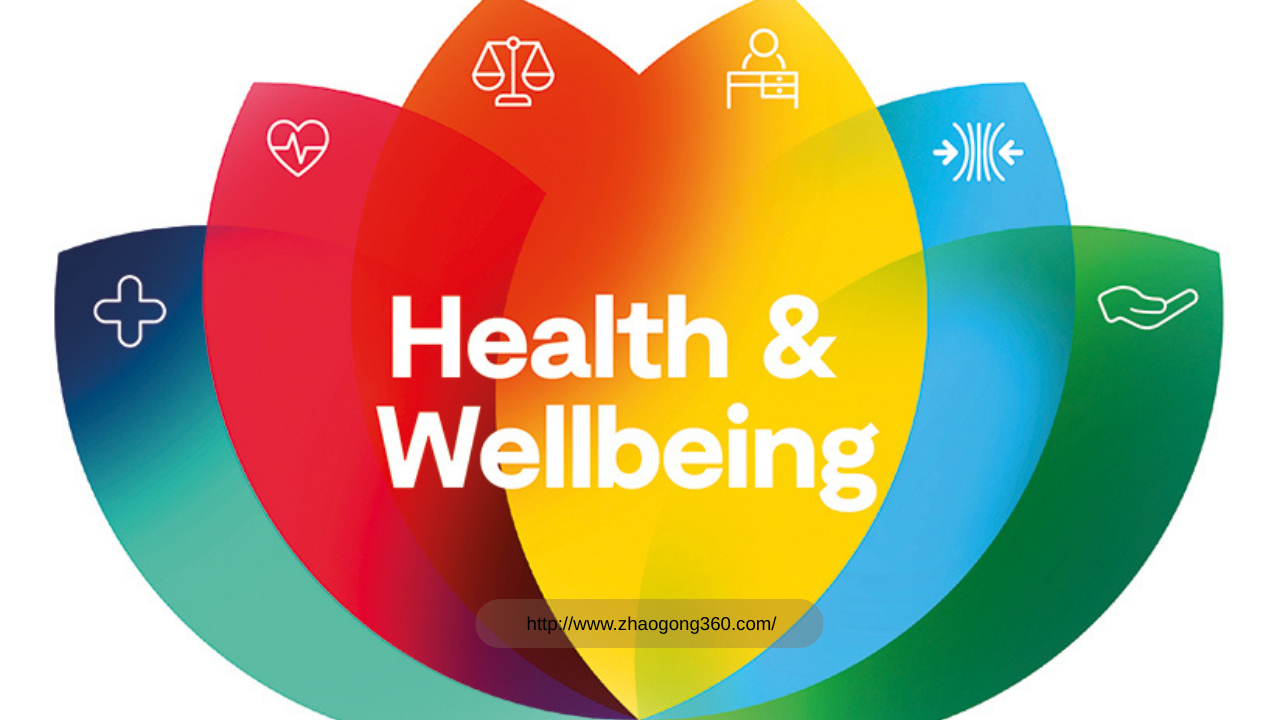
 Long-term health and wellbeing are not achieved overnight. For individuals on the path of addiction recovery or seeking mental health support, sustainable wellness comes from small, consistent daily rituals that nourish the mind, body, and spirit. These habits may seem simple, but when practiced regularly, they lay the foundation for lasting physical vitality, emotional balance, and mental clarity.
Why Daily Rituals Matter in Recovery
Recovery is a journey, not a destination. Addiction and mental health challenges often disrupt daily routines, leaving individuals feeling disconnected from their bodies and emotions. Rebuilding health requires intentional practices that create stability and structure. Daily rituals help reinforce positive behaviors, reduce stress, and provide a sense of purpose. They act as anchors, keeping individuals grounded during moments of uncertainty or temptation.
Morning Practices to Set the Tone
Mindful Mornings
Starting the day with mindfulness sets a calm and focused tone. Practices like meditation, deep breathing exercises, or journaling help individuals connect with their thoughts and emotions. For those in recovery, morning mindfulness can reduce anxiety and strengthen the ability to manage cravings throughout the day.
Nutrition and Hydration
A balanced breakfast fuels the body and brain. Including protein, complex carbohydrates, and healthy fats supports energy and focus. Hydration is equally important, as it aids digestion, circulation, and cognitive function. Simple rituals such as preparing a nourishing smoothie or enjoying a warm cup of tea mindfully can make mornings both restorative and grounding.
Midday Habits to Sustain Energy and Focus
Physical Movement
Exercise does not have to be intense to be effective. Daily movement—such as walking, stretching, or yoga—improves mood, enhances circulation, and releases endorphins. For those in recovery, movement can also serve as a healthy outlet for stress and emotional expression.
Mental Breaks and Reflection
Short breaks throughout the day can prevent burnout and maintain mental clarity. Practicing gratitude, reflecting on personal goals, or connecting briefly with a supportive friend or mentor helps reinforce positive emotional habits and strengthens resilience.
Evening Rituals to Promote Rest and Renewal
Emotional Check-In
Evenings provide an opportunity to process the day. Journaling about feelings, challenges, and successes encourages emotional awareness and fosters self-compassion. These practices help individuals in recovery navigate complex emotions and prevent them from building up unchecked.
Restorative Sleep
Quality sleep is essential for long-term health. Establishing a consistent bedtime routine, minimizing screen time, and creating a calming environment support restorative rest. Sleep not only rejuvenates the body but also enhances mental and emotional wellbeing.
Integrating Holistic and Faith-Based Practices
Daily rituals can also include holistic and spiritual practices. Meditation, prayer, creative expression, or community engagement nurtures the spirit and strengthens a sense of purpose. Faith-based support can provide hope, guidance, and a sense of belonging, which are critical during recovery.
Taking the First Step Toward Lasting Wellness
Building long-term health and wellbeing is about consistency, intention, and self-compassion. By integrating daily rituals that support mental, physical, and emotional health, individuals in recovery can cultivate resilience, regain balance, and reclaim control over their lives.
If you or a loved one is ready to create sustainable wellness and take the next step in recovery, reach out to a trusted addiction or mental health professional today. With personalized support and compassionate care, lasting health and wellbeing are within reach.
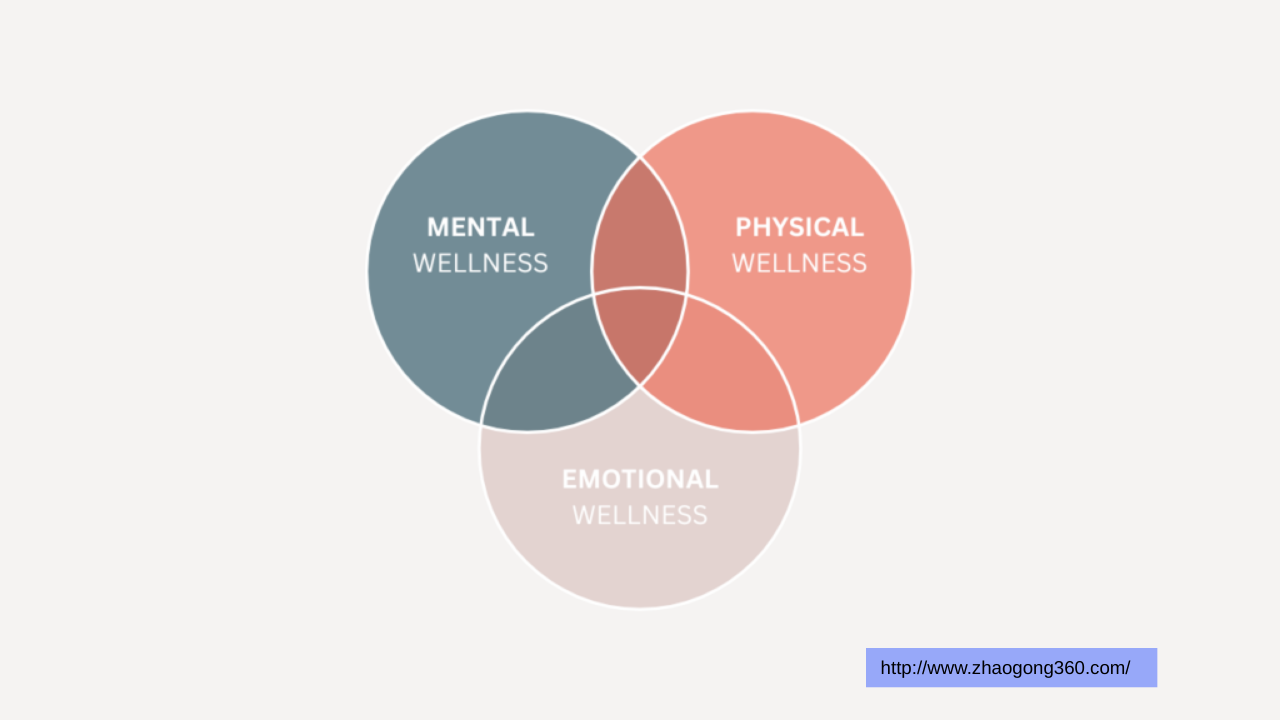 Finding true health is not only about treating symptoms or building physical strength. It is about achieving harmony between the mind, body, and emotions. For individuals on the path of addiction recovery or seeking mental health support, this alignment is essential. Recovery is not just about overcoming dependency, but about rebuilding life with balance, purpose, and resilience.
 For many who struggle with addiction or mental health challenges, the idea of feeling truly whole again can seem out of reach. Years of physical strain, emotional turmoil, and spiritual disconnection often take their toll. But the truth is, complete health is not a myth. With the right combination of medical science, compassionate care, and personalized support, healing is possible for both the body and the mind.