
Why a Customized Wellness Ecosystem Is Key to Successful Recovery

Successful recovery requires far more than willpower or short term treatment. It calls for a complete shift in how a person supports their mind, body, and spirit each day. This is why a customized wellness ecosystem is one of the most important foundations for long term healing. When individuals receive care that reflects their unique history, strengths, and needs, recovery becomes more achievable and more sustainable. At Zhaogong360, personalized support is not an added feature. It is the core of their mission to provide compassionate, holistic, and effective care.

Understanding What a Wellness Ecosystem Really Means

A wellness ecosystem is a coordinated network of practices, support systems, and daily habits that work together to strengthen overall health. Instead of relying on a one size fits all model, it encourages individuals to build a personal structure that supports their recovery on multiple levels.

How Personalization Changes the Healing Experience

Everyone enters treatment with different challenges, experiences, and goals. Some may be working through trauma. Others may be rebuilding after years of substance dependence. Many are also navigating depression, anxiety, relationship stress, or physical health issues. A personalized wellness ecosystem acknowledges these differences and adapts treatment to fit the person, not the other way around.

The Role of Mental Health Support in a Personalized Plan

Creating Emotional Stability Through Therapy

Mental health treatment is a critical part of any recovery plan. Counseling helps individuals understand their emotions, uncover harmful patterns, and develop healthier ways to cope with stress. Techniques such as cognitive behavioral therapy, motivational interviewing, and trauma informed care give clients tools they can use long after treatment ends.

Mindfulness and Stress Management Practices

Mindfulness helps individuals stay grounded and calm during challenging moments. Simple practices like breathing exercises, guided meditation, or daily journaling can significantly reduce anxiety and improve emotional clarity. These tools become essential components of a customized wellness ecosystem because they are flexible and easy to integrate into everyday life.

Strengthening the Body Through Holistic Physical Care

Nutrition and Sleep as Healing Tools

Addiction and chronic stress often disrupt physical health. Personalized wellness planning includes restoring balanced nutrition, creating stable sleep routines, and addressing medical needs that may have been overlooked. These physical foundations help the body regain strength and improve mood, energy, and resilience.

Movement and Activity Support Long Term Recovery

Physical activity is a vital part of healing. Whether it is yoga, walking, stretching, or exercise therapy, movement supports emotional regulation and reduces cravings. A personalized approach ensures that each person chooses activities that feel achievable and enjoyable.

Incorporating Spiritual and Holistic Practices

The Value of Faith Based Support

For many individuals, spiritual grounding plays a powerful role in recovery. Faith based counseling, prayer, or reflection can provide hope and direction. Zhaogong360 includes spiritual care for clients who value it and offers alternative holistic practices for those who prefer a non religious approach.

Holistic Therapies Create Deeper Connection

Art therapy, music therapy, nature based practices, and breathwork offer opportunities for self expression and emotional release. These therapies complement clinical treatment and help individuals reconnect with themselves in meaningful ways.

Why Integration Matters More Than Any Single Method

A customized wellness ecosystem works because it brings all parts of a person’s life into alignment. Mental health treatment, physical healing, spiritual support, and daily routines reinforce one another. When these elements work together, individuals build a stronger foundation for long term recovery and healthier living.

Your Personalized Wellness Ecosystem Starts Here

Recovery becomes stronger and more sustainable when care is tailored to the whole person. A customized wellness ecosystem helps individuals build confidence, emotional stability, and a clear path forward. If you or someone you care about is ready to begin a personalized journey to healing, Zhaogong360 is prepared to walk alongside you with compassion, expertise, and evidence based support. Reach out today and take the first step toward a healthy and balanced future.

Creating Balance Every Day: A Step-by-Step Approach to Whole-Body Wellbeing

Finding balance in daily life is one of the most powerful steps a person can take toward long-term healing and recovery. When someone is facing addiction, stress, or mental health challenges, even simple routines can feel overwhelming. Yet balance is not built through perfection. It is built through steady, intentional actions that support the mind, body, and spirit every day. True whole-body wellbeing comes from a personalized and compassionate approach, one that honors each person’s history, strengths, and goals.

Why Daily Balance Matters in Recovery

Recovery is a lifelong journey, and daily balance forms the foundation that keeps individuals grounded and moving forward. At Zhaogong360, balance is created through a blend of evidence-based treatment, holistic practices, and individualized support. This combination helps clients feel safe, understood, and empowered to take control of their healing.

A balanced life reduces stress, supports emotional stability, strengthens physical health, and helps prevent relapse. When wellness becomes part of a person’s everyday routine, recovery stops being a struggle and becomes a meaningful lifestyle.

Step One: Strengthening the Mind

Building Emotional Clarity Through Counseling

Mental and emotional wellbeing are essential parts of recovery. Professional counseling creates a safe space to explore thoughts and emotions while developing new coping skills. Therapies like cognitive behavioral therapy, trauma-informed care, and motivational interviewing help individuals understand patterns that may have contributed to addiction or mental health difficulties.

Using Mindfulness to Stay Present

Mindfulness practices help calm the nervous system and improve focus. Even a few minutes of slow breathing, journaling, or quiet reflection can lower stress and help individuals feel more connected to themselves. With consistent practice, mindfulness becomes a natural part of daily life and a powerful tool for emotional stability.

Step Two: Restoring the Body

Nourishing the Body Through Healthy Habits

The body must recover alongside the mind. Addiction and chronic stress can drain energy, weaken the immune system, and disrupt sleep. Restoring physical balance begins with simple, steady changes, such as eating nourishing meals, staying hydrated, and following a regular sleep routine. These small actions create a foundation of stability that strengthens long-term health.

Moving the Body to Support Healing

Physical activity is a natural mood booster and an important part of whole-body wellbeing. Activities like yoga, stretching, walking, or light strength training help reduce anxiety and increase confidence. Movement reminds individuals that their bodies are capable of change and growth, even after years of difficulty.

Step Three: Aligning the Spirit

Exploring Faith-Based or Spiritual Practices

For many people, spiritual wellness provides comfort, purpose, and direction. Whether through prayer, meditation, or connecting with a supportive community, spiritual practices help individuals feel grounded and hopeful. These practices also reinforce resilience and help people rediscover meaning in their recovery journey.

Integrating Holistic Therapies

Holistic therapies help individuals heal on deeper, nonverbal levels. Art therapy, music therapy, nature-based activities, and breathwork all support emotional release and self-expression. These approaches complement traditional treatment and help individuals reconnect with creativity, joy, and inner peace.

Step Four: Creating a Personalized Daily Routine

A balanced routine does not have to be complicated. The key is choosing small, sustainable habits that support daily wellbeing. A personalized routine may include:

  • Morning mindfulness or gentle stretching

  • A structured meal schedule that keeps the body nourished

  • Scheduled therapy sessions or support group attendance

  • Dedicated time for physical activity

  • A nightly wind-down routine that encourages restful sleep

  • Moments of gratitude, prayer, or reflection

When these steps become daily habits, individuals feel more centered, more capable, and more in control of their healing.

Your Path to Whole-Body Wellbeing Starts Today

Creating balance every day is a powerful step toward long-term recovery and whole-body health. With the right personalized plan, anyone can build a life that supports emotional clarity, physical strength, and spiritual peace. If you or someone you care about is ready to take the next step, Zhaogong360 is here to help. With compassionate guidance and holistic care, you can begin building a balanced and fulfilling life starting today.

Personalized Wellness Strategies for Long-Term Mental and Physical Health

Recovery and lasting wellness are deeply personal journeys. Every individual has unique experiences, strengths, and challenges that shape their path toward healing. True health cannot come from a one-size-fits-all solution. Instead, it thrives through personalized care that honors the connection between mind, body, and spirit. By developing wellness strategies tailored to individual needs, people can build sustainable habits that support both mental and physical wellbeing for life.

Understanding the Power of Personalization in Recovery

Addiction and mental health conditions affect each person differently. While some people respond best to structured inpatient treatment, others may find progress through outpatient therapy, holistic care, or faith-based support. A personalized recovery plan considers not only a person’s medical history but also their emotional, spiritual, and social wellbeing.

At Zhaogong360, personalized care means meeting clients where they are. It means creating a supportive environment that blends evidence-based therapies with holistic practices, helping individuals heal in ways that feel natural, empowering, and lasting.

The Mind-Body Connection in Long-Term Health

Healing the Mind: Emotional Resilience and Clarity

Mental health forms the foundation of every wellness journey. Therapies such as cognitive behavioral therapy (CBT), trauma-informed counseling, and mindfulness training help individuals better understand their emotions and responses. These tools reduce stress, prevent relapse, and promote emotional resilience. Mindfulness practices, in particular, help individuals remain grounded and calm even during difficult moments, improving focus and decision-making.

Strengthening the Body: Restoring Physical Balance

The body plays an equally vital role in recovery. Proper nutrition, physical activity, and rest are essential to restoring strength and energy. Addiction and chronic stress can deplete the body’s resources, making physical renewal a key part of long-term wellness. Simple changes like eating balanced meals, staying hydrated, and engaging in regular movement—such as yoga or walking—can boost mood and improve overall health.

A healthy body supports a healthy mind. When individuals feel physically strong, they are better equipped to stay emotionally stable and committed to their recovery goals.

Integrating Holistic and Faith-Based Healing

Finding Purpose Through Spiritual Wellness

Spiritual health often provides the sense of direction and meaning that sustains long-term recovery. Faith-based healing programs encourage reflection, forgiveness, and hope. Whether through prayer, meditation, or community connection, nurturing spiritual wellness helps individuals rediscover their purpose and inner peace.

The Role of Holistic Therapies

Holistic therapies such as art, music, or nature-based activities complement traditional treatments by engaging creativity and self-expression. These approaches help individuals process emotions in healthy ways and find joy in simple, mindful experiences. When integrated into a personalized wellness plan, holistic practices create balance and reinforce lasting change.

Creating a Sustainable Wellness Routine

A successful wellness plan is built on consistency and self-awareness. The most effective strategies are those that fit naturally into a person’s lifestyle and continue long after formal treatment ends. Here are a few key components of a sustainable plan:

  • Regular therapy sessions to maintain emotional balance and accountability

  • Daily mindfulness or meditation to manage stress and improve focus

  • Healthy meal planning to nourish both mind and body

  • Physical activity that promotes strength and energy

  • Spiritual reflection that encourages hope and gratitude

Small, consistent actions lead to profound and lasting transformation. Personalized wellness is not about perfection but progress—one mindful step at a time.

Your Journey Toward Lifelong Health

Long-term mental and physical wellness begins with a personalized approach that recognizes the whole person. By integrating individualized care, holistic healing, and faith-based support, true recovery becomes not just possible but sustainable. Whether you are beginning your journey or rebuilding after treatment, the path to balance and fulfillment starts with understanding your unique needs.

If you or someone you love is ready to take that next step, reach out today. With compassionate guidance and a personalized wellness plan, healing and long-term health are within reach.

The Complete Guide to Integrating Mind, Body, and Spirit in Addiction Recovery

True recovery is about more than breaking free from substance use. It is about rebuilding every part of your life — mentally, physically, and spiritually. Addiction often creates deep imbalances in all three areas, leaving individuals feeling disconnected from themselves and their purpose. Integrating mind, body, and spirit in recovery allows for deeper healing, creating a foundation for long-term wellness and renewed self-discovery.

Understanding Whole-Person Recovery

Addiction recovery is not just about treating symptoms. It is about addressing the root causes of pain, stress, and imbalance. A whole-person approach recognizes that the mind, body, and spirit are deeply connected. When one part suffers, the others are affected. Healing them together restores balance and helps individuals move from survival to genuine transformation.

Holistic and faith-based recovery programs that emphasize this connection empower individuals to not only overcome addiction but also rediscover who they truly are.

Healing the Mind: Building Mental and Emotional Resilience

Therapy and Counseling

Recovery begins with mental clarity and emotional strength. Evidence-based therapies such as cognitive behavioral therapy, trauma-informed counseling, and dialectical behavior therapy help individuals understand how thoughts and emotions influence actions. By identifying harmful patterns and replacing them with healthier coping skills, recovery becomes more sustainable and self-directed.

Mindfulness and Stress Management

Mindfulness practices are powerful tools for emotional balance. Techniques like deep breathing, meditation, and journaling help reduce anxiety and prevent relapse. These practices encourage individuals to remain present, manage stress effectively, and respond to challenges with calm and clarity. Over time, mindfulness builds resilience that supports long-term mental wellness.

Restoring the Body: Strengthening Physical Health in Recovery

Nutrition and Physical Wellness

Addiction often takes a toll on the body. Proper nutrition, hydration, and exercise help restore physical health and energy levels. A balanced diet rich in whole foods supports brain function, mood stability, and physical recovery. Incorporating activities like yoga, walking, or stretching enhances strength, improves circulation, and boosts natural endorphins that support emotional wellbeing.

Rest and Recovery

Sleep and rest are essential for the body to repair and rejuvenate. Establishing healthy routines that prioritize consistent sleep helps regulate mood, improve focus, and strengthen the immune system. Recovery programs often include structured schedules that promote restorative habits vital for lasting health.

Nurturing the Spirit: Finding Meaning and Purpose

Faith-Based and Spiritual Healing

Spiritual wellness is often the missing link in addiction recovery. Faith-based care provides hope, purpose, and a sense of belonging that can guide individuals through difficult moments. Whether through prayer, meditation, or community worship, reconnecting with one’s spiritual beliefs fosters inner peace and direction.

Holistic and Creative Practices

Holistic therapies like art, music, and nature therapy allow for emotional expression and self-discovery. These experiences help individuals release emotional tension, find joy in small moments, and rebuild self-esteem. Spiritual and creative growth work hand in hand to nurture the soul and strengthen one’s connection to the world around them.

Creating a Balanced Wellness Plan

Integrating mind, body, and spirit requires ongoing attention and care. A personalized recovery plan should include consistent therapy, physical wellness activities, and spiritual practices that feel authentic to the individual. Combining professional support with self-care habits creates a well-rounded approach that adapts to changing needs throughout the recovery journey.

Finding Wholeness Through Integration

Recovery is not just about getting sober — it is about becoming whole again. By aligning the mind, body, and spirit, individuals can experience true freedom, peace, and purpose. The path may be challenging, but with compassionate support, evidence-based treatment, and holistic care, transformation is possible.

If you or someone you love is ready to begin a journey toward complete healing, reach out today. With the right guidance and a personalized approach, you can rebuild your life from the inside out — one mindful step at a time.

From Surviving to Thriving: Designing a Holistic Wellness Plan That Works

Healing from addiction and mental health challenges is not only about getting through the hard days. True recovery is about learning how to thrive — building a life that feels balanced, meaningful, and fulfilling. A holistic wellness plan helps bridge that gap, turning short-term survival into long-term transformation. By addressing the mind, body, and spirit together, individuals can create a path toward complete wellbeing that truly works.

Understanding Holistic Wellness in Recovery

Holistic wellness recognizes that every part of a person’s life is connected. Mental health, physical health, and spiritual wellbeing all influence each other. In addiction recovery, focusing on just one area often leaves deeper issues unresolved. A holistic plan brings these elements together, creating harmony and resilience that last far beyond treatment.

Why Personalized Care Matters

Every Recovery Journey Is Unique

No two people experience addiction the same way, which means no two recovery paths should look identical. Personalized treatment ensures that care is adapted to each person’s history, goals, and needs. Whether through inpatient programs, outpatient support, or ongoing therapy, individualized care empowers people to take ownership of their healing process.

Building Trust Through Compassionate Support

Compassionate care builds the foundation for lasting recovery. Professional guidance combined with genuine empathy allows individuals to feel seen, heard, and supported. Recovery is not about perfection — it is about progress and learning how to live in balance again.

Key Elements of a Holistic Wellness Plan

1. Mental and Emotional Health

Therapy and counseling are central to recovery. Cognitive behavioral therapy, trauma-informed care, and group support sessions help individuals identify patterns, manage triggers, and rebuild self-confidence. Practices like journaling, mindfulness, and guided reflection can further strengthen emotional stability and mental clarity.

2. Physical Wellbeing

The body and mind recover together. Proper nutrition, regular movement, and consistent sleep are vital for healing. Activities such as yoga, walking, or stretching help reduce stress, improve circulation, and boost energy levels. In some recovery programs, exercise and nutrition counseling are integrated into daily routines to support both physical and emotional balance.

3. Spiritual and Holistic Healing

Spiritual wellness provides a sense of purpose and peace that sustains recovery. Faith-based programs offer guidance, community, and hope — essential elements for building a meaningful life. Holistic therapies like meditation, art, or nature therapy help individuals reconnect with themselves and find strength in moments of quiet reflection.

Putting Your Wellness Plan into Action

Start Small and Stay Consistent

Designing a wellness plan does not require big changes overnight. Begin with small, achievable goals such as daily meditation, balanced meals, or journaling for five minutes a day. Consistency builds habits, and habits create transformation.

Surround Yourself with Support

A strong support network makes recovery sustainable. Professional care teams, peer groups, and family members all play important roles in maintaining accountability and encouragement. Open communication and community engagement strengthen your wellness ecosystem over time.

Thriving Beyond Recovery

Thriving means living with purpose, confidence, and peace. A well-designed holistic plan helps individuals rediscover joy, rebuild relationships, and create a future they are proud of. Recovery becomes not just an end goal but a lifelong journey toward balance and fulfillment.

Take the First Step Toward Thriving

You have the power to move beyond survival and create a life of true wellness. With the right combination of mental health care, physical healing, and spiritual growth, recovery can become a pathway to lasting change. If you or a loved one are ready to begin building a personalized wellness plan, reach out for professional guidance today. Healing starts when you take that first step toward balance, hope, and a better tomorrow.

Building Your Wellness Ecosystem: How Personalized Care Transforms Recovery

Recovery is not a one-size-fits-all journey. Every individual brings a unique combination of experiences, challenges, and strengths to the table. For those facing addiction or mental health struggles, creating a personalized wellness ecosystem can make all the difference. By integrating physical, mental, emotional, and spiritual care into a tailored plan, individuals can achieve sustainable health, resilience, and long-term recovery.
Understanding the Wellness Ecosystem

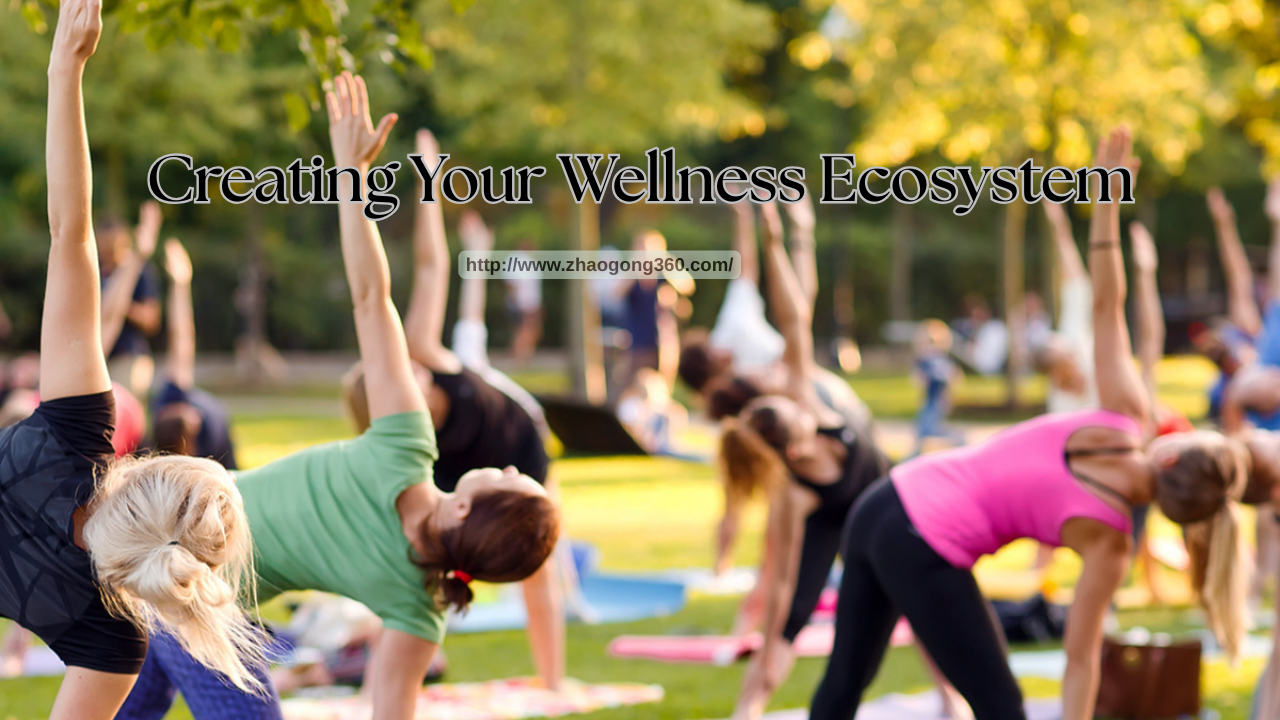
A wellness ecosystem is a holistic approach that considers all aspects of a person’s wellbeing. Just like a natural ecosystem thrives when every part is balanced, your health flourishes when physical, emotional, mental, and spiritual needs are addressed in harmony. In addiction recovery, this approach goes beyond stopping substance use. It focuses on rebuilding life, restoring balance, and creating the foundation for lasting wellness.

The Role of Personalized Care in Recovery

Individualized Treatment Plans

Every recovery journey is unique, and personalized care recognizes that. Treatment plans are designed around the specific needs of the individual, taking into account their medical history, mental health conditions, lifestyle, and personal goals. Whether inpatient or outpatient, tailored programs ensure that every intervention—therapy sessions, counseling, or holistic practices—is meaningful and effective.

Holistic and Faith-Based Approaches

Recovery is most successful when it addresses the whole person. Holistic care includes practices such as mindfulness, yoga, meditation, and creative therapies that nurture both the body and the mind. Faith-based support adds another layer of resilience by offering spiritual guidance, a sense of purpose, and community connection. Combining these approaches with traditional therapies creates a powerful ecosystem for growth and healing.

Key Components of a Wellness Ecosystem

Mental and Emotional Health

Cognitive behavioral therapy, trauma-informed counseling, and peer support groups help individuals understand and manage emotions, thoughts, and behaviors. Developing emotional resilience is critical to navigating triggers, stress, and the challenges of long-term recovery. Mindfulness exercises, journaling, and guided reflection reinforce emotional wellbeing and promote mental clarity.

Physical Wellbeing

Physical health is a cornerstone of recovery. Balanced nutrition, consistent movement, and proper sleep support the body’s natural healing processes. Even moderate physical activity like walking, stretching, or yoga can improve mood, boost energy, and strengthen the immune system. Medical supervision during detox and ongoing health monitoring further ensure that the body is well-supported throughout the recovery journey.

Social and Community Support

A strong support network is essential in any recovery ecosystem. Peer groups, family engagement, and community involvement provide accountability, encouragement, and a sense of belonging. Social connections help reduce feelings of isolation and foster emotional resilience, reinforcing the effectiveness of therapy and holistic practices.

Creating Your Personalized Wellness Ecosystem

To build a wellness ecosystem, start by identifying areas that need the most support. Collaborate with healthcare providers, therapists, and wellness coaches to design a program that integrates mental, physical, and spiritual care. Establish daily routines and rituals that support these areas, ensuring that progress is consistent and sustainable.

Transform Your Recovery Through Personalized Care

Personalized care transforms recovery from a temporary phase into a sustainable lifestyle. By creating a wellness ecosystem that addresses the whole person, individuals gain the tools, support, and resilience needed to thrive. If you or a loved one are ready to take the next step toward long-term health and balance, reach out to a trusted recovery or mental health professional today. With individualized guidance, compassion, and holistic support, lasting wellbeing is within reach.

Creating Your Wellness Ecosystem: Personalized Paths to Complete Wellbeing

True wellness is not a one-size-fits-all journey. For individuals navigating addiction recovery or mental health challenges, lasting wellbeing requires more than just treatment sessions or temporary lifestyle changes. It calls for the creation of a personal wellness ecosystem: a balanced network of physical, emotional, mental, and spiritual practices that work together to support sustainable health. By building a system that reflects your unique needs, you can create a path to long-term recovery and complete wellbeing.

What Is a Wellness Ecosystem?

A wellness ecosystem is the intentional structure of practices, relationships, and resources that foster overall health. Just as a natural ecosystem thrives when all parts are in balance, your personal wellbeing grows stronger when different aspects of your life are aligned. In addiction recovery, this approach is especially powerful because it addresses not only the physical side of healing but also the mental, emotional, and spiritual layers that influence lasting change.

Building Blocks of a Personalized Wellness Ecosystem

Mental and Emotional Care

A strong wellness foundation begins with mental and emotional health. Counseling, therapy, and support groups provide safe spaces to process emotions, manage triggers, and develop resilience. Cognitive behavioral therapy, trauma-informed care, and peer support are proven tools that help individuals strengthen their emotional stability and protect against relapse.

Physical Health and Recovery

Physical wellbeing plays a critical role in addiction recovery. Nutrition, hydration, and consistent movement give the body what it needs to repair and sustain itself. Whether it is regular exercise, mindful stretching, or restorative sleep, caring for the body strengthens both recovery outcomes and overall quality of life.

Spiritual and Holistic Support

Many people find meaning and strength in holistic or faith-based approaches. Practices such as meditation, prayer, yoga, or art therapy can deepen inner peace and provide a sense of purpose. Faith-based programs also offer a supportive community that fosters accountability and hope, reinforcing the recovery journey with spiritual resilience.

Strategies for Personalizing Your Wellness Ecosystem

Identify Individual Needs

Every recovery journey is unique. Begin by identifying areas where you need the most support, whether it is managing anxiety, improving physical health, or building stronger relationships. By focusing on personal needs, you can design a plan that feels realistic and sustainable.

Create Daily Rituals

Consistency is key to long-term wellbeing. Simple routines like morning mindfulness, journaling, or evening gratitude exercises can anchor your day and provide stability. Over time, these small rituals build powerful habits that become the foundation of your wellness ecosystem.

Seek Professional and Community Support

Addiction recovery and mental health treatment are not journeys to walk alone. Professional guidance through inpatient or outpatient care, combined with peer and community support, ensures accountability and access to effective tools. Surrounding yourself with compassionate professionals and supportive peers creates a network that strengthens recovery.

Why a Wellness Ecosystem Matters in Recovery

Recovery is not just about breaking free from addiction; it is about creating a life where health and balance can thrive. A personalized wellness ecosystem helps prevent relapse, reduces stress, and builds resilience. More importantly, it empowers individuals to take ownership of their healing, making recovery not just a phase but a way of life.

Your Path to Complete Wellbeing

Creating your wellness ecosystem means building a framework that supports your unique journey toward health and recovery. By aligning mental, physical, and spiritual care, you give yourself the best chance at long-term success and a fulfilling life.

If you or a loved one are ready to design a personalized path to complete wellbeing, professional support is available. Reach out today to begin building your ecosystem of healing and discover how recovery can transform into a life of balance, strength, and purpose.

Breaking the Wellness Ceiling: Strategies for Sustainable Health in a Busy World

In today’s fast-paced world, achieving sustainable health can feel impossible. Work pressures, family responsibilities, and social demands often leave little time for self-care. For individuals navigating addiction recovery or mental health challenges, the struggle is even more complex. However, breaking the wellness ceiling is not only possible—it is essential for long-term wellbeing. With intentional strategies and consistent practices, anyone can cultivate balance, resilience, and lasting health.
Understanding the Wellness Ceiling

The wellness ceiling refers to the invisible barriers that prevent individuals from achieving optimal health. These barriers may include stress, poor habits, lack of support, or limited access to effective treatment. For those in recovery, the ceiling can manifest as cravings, emotional triggers, or co-occurring mental health conditions. Recognizing these obstacles is the first step toward overcoming them and building sustainable wellness.

Prioritizing Mental and Emotional Health

Evidence-Based Therapy and Counseling

Mental and emotional health are foundational to breaking the wellness ceiling. Evidence-based therapies such as cognitive behavioral therapy, trauma-informed counseling, and group support provide tools for managing stress, regulating emotions, and addressing underlying mental health concerns. Regular sessions create a structured environment where individuals can process experiences and develop healthy coping strategies.

Mindfulness and Emotional Awareness

Incorporating mindfulness practices into daily life enhances self-awareness and emotional resilience. Techniques such as meditation, journaling, or guided breathing exercises help individuals stay present, manage anxiety, and prevent relapse. Mindfulness strengthens the connection between thought and behavior, supporting better decision-making and long-term recovery.

Physical Health as a Pillar of Wellbeing

Nutrition and Hydration

Physical health significantly impacts mental and emotional states. Balanced nutrition fuels the body and supports cognitive function. Consuming whole foods, staying hydrated, and maintaining regular meal patterns can reduce fatigue, stabilize mood, and improve overall health. Individualized nutrition plans tailored to recovery needs ensure the body receives the essential nutrients required for healing.

Regular Movement

Movement is more than exercise—it is a critical tool for sustaining energy and resilience. Even moderate activity such as walking, yoga, or stretching releases endorphins, reduces stress, and strengthens the cardiovascular system. Consistency matters more than intensity; creating daily routines that incorporate movement supports lasting health.

Holistic and Faith-Based Approaches

Holistic care addresses the whole person, integrating mind, body, and spirit. Practices such as art therapy, meditation, and spiritual guidance nurture inner balance and purpose. Faith-based programs can provide hope, community, and moral support, which are essential components in maintaining recovery and breaking through wellness barriers.

Practical Strategies for a Busy Life

Establishing Daily Rituals

Simple, repeatable routines anchor health practices into daily life. Morning mindfulness, balanced meals, short exercise sessions, and evening reflection provide structure and continuity. Over time, these rituals become habits that reinforce holistic wellness.

Seeking Individualized Support

Every recovery journey is unique. Personalized treatment plans that combine inpatient or outpatient care with counseling, holistic practices, and faith-based support create the most effective outcomes. Tailoring strategies to individual needs helps ensure sustainable health improvements.

Reaching Beyond Limits

Breaking the wellness ceiling requires intention, support, and consistent effort. By prioritizing mental, physical, and emotional health, individuals can achieve sustainable wellness even in a busy world. Recovery and holistic wellbeing are within reach for those willing to commit to structured practices and compassionate guidance.

If you or a loved one are ready to take the next step toward long-term health and balance, reach out to a trusted addiction recovery or mental health professional today. With expert care and individualized support, breaking through the wellness ceiling is possible, and a healthier, more balanced life awaits.

Inside-Out Healing: Nutrition, Mindfulness, and Movement for a Better You

True healing begins from the inside out. For individuals navigating addiction recovery or mental health challenges, addressing the mind, body, and spirit simultaneously is essential for lasting change. While therapy and medical support are critical, incorporating nutrition, mindfulness, and movement into daily routines can accelerate recovery, boost resilience, and help individuals reclaim a sense of balance and wellbeing.
Why Inside-Out Healing Matters in Recovery

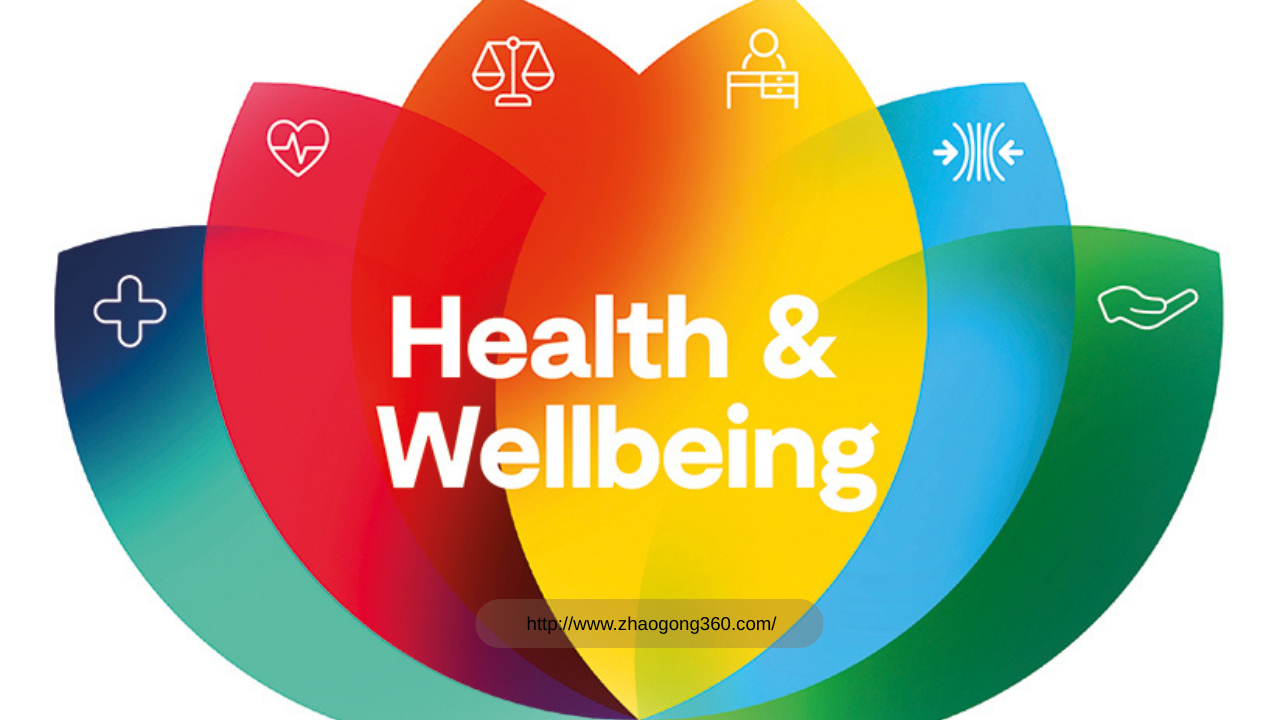
Addiction and mental health struggles often affect every aspect of life. Physical health can be compromised by poor nutrition or sedentary habits. Emotional wellbeing may be disrupted by stress, trauma, or unhealthy coping mechanisms. Mental clarity may be clouded by anxiety, depression, or cravings. Inside-out healing recognizes that these dimensions are interconnected. By nurturing each area, individuals create a foundation for sustainable recovery and holistic health.

Nutrition: Fueling the Body and Mind

Balanced Eating for Recovery

Proper nutrition is a cornerstone of healing. Addiction can deplete essential nutrients, weaken the immune system, and leave the body fatigued. Incorporating whole foods such as fruits, vegetables, lean proteins, and healthy fats supports energy, cognitive function, and emotional stability. Hydration also plays a critical role in maintaining optimal brain function and overall health.

Personalized Approaches

Individualized nutrition plans help meet the unique needs of each person. Whether addressing cravings, digestive issues, or co-occurring health conditions, tailored strategies enhance recovery and reinforce a sense of control over one’s body. Working with nutritionists or wellness coaches ensures that eating habits are not only effective but also sustainable.

Mindfulness: Cultivating Mental Clarity and Emotional Resilience

Daily Mindfulness Practices

Mindfulness helps individuals stay present, manage stress, and respond thoughtfully to challenging situations. Simple practices such as meditation, deep breathing exercises, and journaling can reduce anxiety and improve emotional regulation. For those in recovery, mindfulness strengthens the ability to navigate triggers and cravings, creating a more balanced mental state.

Emotional Awareness and Healing

Mindfulness also fosters self-awareness. Recognizing and processing emotions in a safe and structured way helps prevent relapse and promotes lasting psychological growth. Combined with counseling or group therapy, these practices provide a powerful toolkit for mental and emotional wellbeing.

Movement: Strengthening the Body and Spirit

Gentle and Consistent Exercise

Physical activity is more than fitness—it supports emotional and mental health as well. Regular movement, whether through walking, yoga, or strength training, releases endorphins that elevate mood, reduce stress, and enhance focus. Movement also improves sleep quality, strengthens the cardiovascular system, and restores physical vitality compromised by addiction.

Integration with Holistic Practices

Incorporating movement into a holistic recovery plan encourages individuals to reconnect with their bodies, improve self-esteem, and cultivate discipline. It complements nutrition and mindfulness, creating a comprehensive approach that supports long-term health and wellbeing.

Bringing It All Together for Lasting Recovery

Inside-out healing is not about perfection; it is about consistency and integration. Combining balanced nutrition, mindful awareness, and regular movement creates a synergy that strengthens the mind, body, and spirit. In combination with evidence-based addiction treatment, inpatient or outpatient care, and faith-based or individualized support, these daily practices significantly enhance recovery outcomes.

Take the Next Step Toward a Better You

Recovery is a journey, but it is one that can be supported with intention, compassion, and practical strategies. By embracing nutrition, mindfulness, and movement, individuals can reclaim control, rebuild resilience, and experience meaningful transformation from the inside out.

If you or a loved one are ready to begin the journey toward holistic wellbeing, reach out to a trusted recovery or mental health professional today. The path to a stronger, healthier, and more balanced life starts now.

The Daily Rituals That Build Long-Term Health and Wellbeing

Long-term health and wellbeing are not achieved overnight. For individuals on the path of addiction recovery or seeking mental health support, sustainable wellness comes from small, consistent daily rituals that nourish the mind, body, and spirit. These habits may seem simple, but when practiced regularly, they lay the foundation for lasting physical vitality, emotional balance, and mental clarity.

Why Daily Rituals Matter in Recovery

Recovery is a journey, not a destination. Addiction and mental health challenges often disrupt daily routines, leaving individuals feeling disconnected from their bodies and emotions. Rebuilding health requires intentional practices that create stability and structure. Daily rituals help reinforce positive behaviors, reduce stress, and provide a sense of purpose. They act as anchors, keeping individuals grounded during moments of uncertainty or temptation.

Morning Practices to Set the Tone

Mindful Mornings

Starting the day with mindfulness sets a calm and focused tone. Practices like meditation, deep breathing exercises, or journaling help individuals connect with their thoughts and emotions. For those in recovery, morning mindfulness can reduce anxiety and strengthen the ability to manage cravings throughout the day.

Nutrition and Hydration

A balanced breakfast fuels the body and brain. Including protein, complex carbohydrates, and healthy fats supports energy and focus. Hydration is equally important, as it aids digestion, circulation, and cognitive function. Simple rituals such as preparing a nourishing smoothie or enjoying a warm cup of tea mindfully can make mornings both restorative and grounding.

Midday Habits to Sustain Energy and Focus

Physical Movement

Exercise does not have to be intense to be effective. Daily movement—such as walking, stretching, or yoga—improves mood, enhances circulation, and releases endorphins. For those in recovery, movement can also serve as a healthy outlet for stress and emotional expression.

Mental Breaks and Reflection

Short breaks throughout the day can prevent burnout and maintain mental clarity. Practicing gratitude, reflecting on personal goals, or connecting briefly with a supportive friend or mentor helps reinforce positive emotional habits and strengthens resilience.

Evening Rituals to Promote Rest and Renewal

Emotional Check-In

Evenings provide an opportunity to process the day. Journaling about feelings, challenges, and successes encourages emotional awareness and fosters self-compassion. These practices help individuals in recovery navigate complex emotions and prevent them from building up unchecked.

Restorative Sleep

Quality sleep is essential for long-term health. Establishing a consistent bedtime routine, minimizing screen time, and creating a calming environment support restorative rest. Sleep not only rejuvenates the body but also enhances mental and emotional wellbeing.

Integrating Holistic and Faith-Based Practices

Daily rituals can also include holistic and spiritual practices. Meditation, prayer, creative expression, or community engagement nurtures the spirit and strengthens a sense of purpose. Faith-based support can provide hope, guidance, and a sense of belonging, which are critical during recovery.

Taking the First Step Toward Lasting Wellness

Building long-term health and wellbeing is about consistency, intention, and self-compassion. By integrating daily rituals that support mental, physical, and emotional health, individuals in recovery can cultivate resilience, regain balance, and reclaim control over their lives.

If you or a loved one is ready to create sustainable wellness and take the next step in recovery, reach out to a trusted addiction or mental health professional today. With personalized support and compassionate care, lasting health and wellbeing are within reach.