
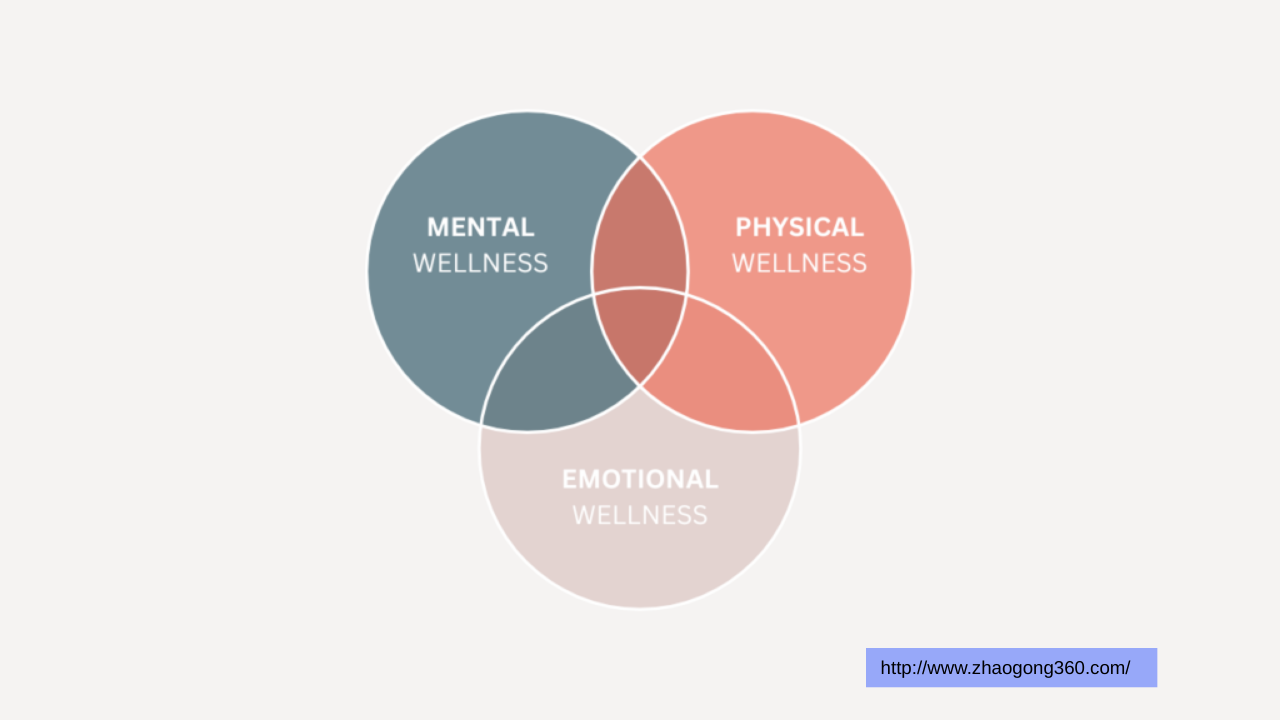
 Finding true health is not only about treating symptoms or building physical strength. It is about achieving harmony between the mind, body, and emotions. For individuals on the path of addiction recovery or seeking mental health support, this alignment is essential. Recovery is not just about overcoming dependency, but about rebuilding life with balance, purpose, and resilience.
Why Alignment Matters in Recovery
Addiction and mental health challenges often disrupt every area of life. The body may feel exhausted, the mind clouded with worry or cravings, and emotions may swing from despair to frustration. Healing one area without addressing the others often leaves people feeling incomplete. True recovery requires a comprehensive approach that supports the whole person.
When mental, physical, and emotional health are aligned, individuals gain the stability and strength needed to move forward. They can think more clearly, manage stress more effectively, and experience deeper connections with themselves and others.
Supporting Mental Health with Evidence-Based Care
Mental health is the cornerstone of recovery. Evidence-based therapies such as cognitive behavioral therapy (CBT), group counseling, and trauma-informed care give individuals the tools to reframe negative thinking and build healthier coping strategies. Consistent therapy also addresses underlying conditions like anxiety, depression, or PTSD, which often accompany addiction.
Professional support in both inpatient and outpatient settings allows individuals to develop resilience and mental clarity. A treatment plan tailored to each person ensures that their mental wellbeing is prioritized throughout recovery.
Restoring the Body Through Healthy Habits
The physical toll of addiction can be profound, but the body is remarkably resilient. With proper care, nutrition, rest, and movement, physical health can be restored. Medical supervision during detox ensures safety and comfort, while ongoing wellness practices like exercise, balanced meals, and sleep hygiene strengthen the body long-term.
Physical recovery is not just about eliminating substances. It is about building vitality and giving the body the resources it needs to support emotional stability and mental focus.
Emotional Healing and the Power of Connection
Emotional wellbeing is often overlooked, yet it is critical in recovery. Many individuals struggle with guilt, shame, or unresolved trauma. Through counseling, group therapy, and holistic practices, these emotions can be acknowledged and processed in a safe environment.
Developing emotional awareness allows people to build healthier relationships and reconnect with loved ones. Faith-based support can also offer a sense of hope and belonging, giving individuals a foundation for emotional stability.
Holistic and Faith-Based Practices for Balance
Recovery is most effective when science and holistic care work together. Practices like mindfulness meditation, art therapy, spiritual counseling, and community support groups help individuals find inner peace and strength. These approaches nurture the spirit and provide meaning, which is essential for long-term recovery.
Holistic healing empowers individuals to rediscover who they are beyond addiction and to live in alignment with their values.
Taking the First Step Toward Harmony
Achieving harmony within the mind, body, and emotions is not a distant dream. With the right support, it becomes a daily reality. Addiction recovery and mental health treatment built on evidence-based care, holistic healing, and individualized planning make true balance possible.
If you or someone you love is struggling, now is the time to seek help. With compassionate guidance and comprehensive care, you can begin the journey toward lasting wellness and harmony within.