
 Lasting recovery does not come from a single solution or a short term fix. True healing happens when care is tailored to the individual and supports every aspect of daily life. A personalized wellness ecosystem is a powerful way to transform recovery into a sustainable and fulfilling lifestyle. By addressing mental health, physical wellbeing, emotional balance, and spiritual growth together, individuals gain the tools they need to create meaningful and lasting change.
At Zhaogong360, recovery is never treated as a one size fits all process. Each person is supported through an individualized approach that honors their experiences, strengths, and goals.
What Is a Personalized Wellness Ecosystem
A wellness ecosystem is a coordinated framework of support that includes professional treatment, daily habits, and holistic practices. Instead of focusing on one area of health, it brings together mental, emotional, physical, and spiritual care into a unified plan.
Why Personalization Matters in Recovery
Every recovery journey is unique. Factors such as trauma history, mental health conditions, family dynamics, and physical health all influence how a person heals. A personalized wellness ecosystem adapts to these factors, creating a plan that feels realistic and supportive rather than overwhelming.
When care is personalized, individuals are more likely to stay engaged, develop healthy routines, and maintain long term progress.
Supporting Mental and Emotional Health
Evidence Based Mental Health Treatment
Mental health treatment is a foundation of successful recovery. Counseling and therapy help individuals understand thought patterns, manage stress, and develop healthier coping strategies. Evidence based approaches such as cognitive behavioral therapy and trauma informed care support emotional clarity and resilience.
Regular therapy sessions also create structure and accountability, helping individuals stay connected to their goals.
Emotional Regulation Through Daily Practices
Emotional balance is strengthened through daily practices that promote self awareness. Journaling, reflection, and mindfulness exercises allow individuals to process emotions in healthy ways. These practices reduce anxiety, improve focus, and provide tools for managing triggers in real life situations.
Strengthening the Body for Long Term Healing
Nutrition and Rest as Essential Tools
Addiction and chronic stress can disrupt physical health in significant ways. A personalized wellness ecosystem includes attention to nutrition, hydration, and sleep. Balanced meals and consistent rest restore energy levels, support brain function, and stabilize mood.
Physical health improvements often lead to greater motivation and emotional stability, reinforcing recovery progress.
Movement That Supports Confidence and Stability
Physical activity plays an important role in holistic healing. Movement such as yoga, walking, stretching, or guided exercise improves circulation and reduces stress. When movement is tailored to individual abilities and preferences, it becomes a sustainable part of daily life.
Integrating Spiritual and Holistic Care
Faith Based and Spiritual Support
For many individuals, spiritual wellness offers meaning, hope, and direction. Faith based support can strengthen resilience and provide comfort during challenging moments. Zhaogong360 respects each person’s beliefs and offers spiritual care as part of a holistic approach.
Holistic Therapies That Encourage Connection
Holistic therapies such as art therapy, breathwork, and mindfulness practices encourage self expression and inner balance. These therapies complement traditional treatment and support emotional healing on a deeper level.
Creating a Daily Structure That Sustains Recovery
A personalized wellness ecosystem helps individuals develop daily routines that reinforce health and stability. A balanced routine may include:
-
Morning mindfulness or reflection
-
Nutritious meals and hydration throughout the day
-
Therapy sessions or group support
-
Physical movement that feels manageable and enjoyable
-
Evening relaxation practices that support restful sleep
Consistency with these habits builds confidence and creates a strong foundation for long term recovery.
Your Transformation Begins with Personalized Care
Transforming your life through recovery is possible when care is designed around your unique needs. A personalized wellness ecosystem provides the structure, support, and compassion needed to achieve lasting healing. If you or someone you love is ready to take the next step toward a healthier and more balanced life, Zhaogong360 is here to help. Reach out today to begin a recovery journey built specifically for you.
 Recovery is a journey that requires more than temporary fixes or quick solutions. Sustainable healing comes from nurturing the whole person—mind, body, and spirit—through consistent, intentional practices. Integrating nutrition, mindfulness, and movement into daily life creates a strong foundation for long-term recovery and overall wellbeing. At Zhaogong360, personalized care blends evidence-based treatment with holistic approaches to help individuals achieve lasting balance and resilience.
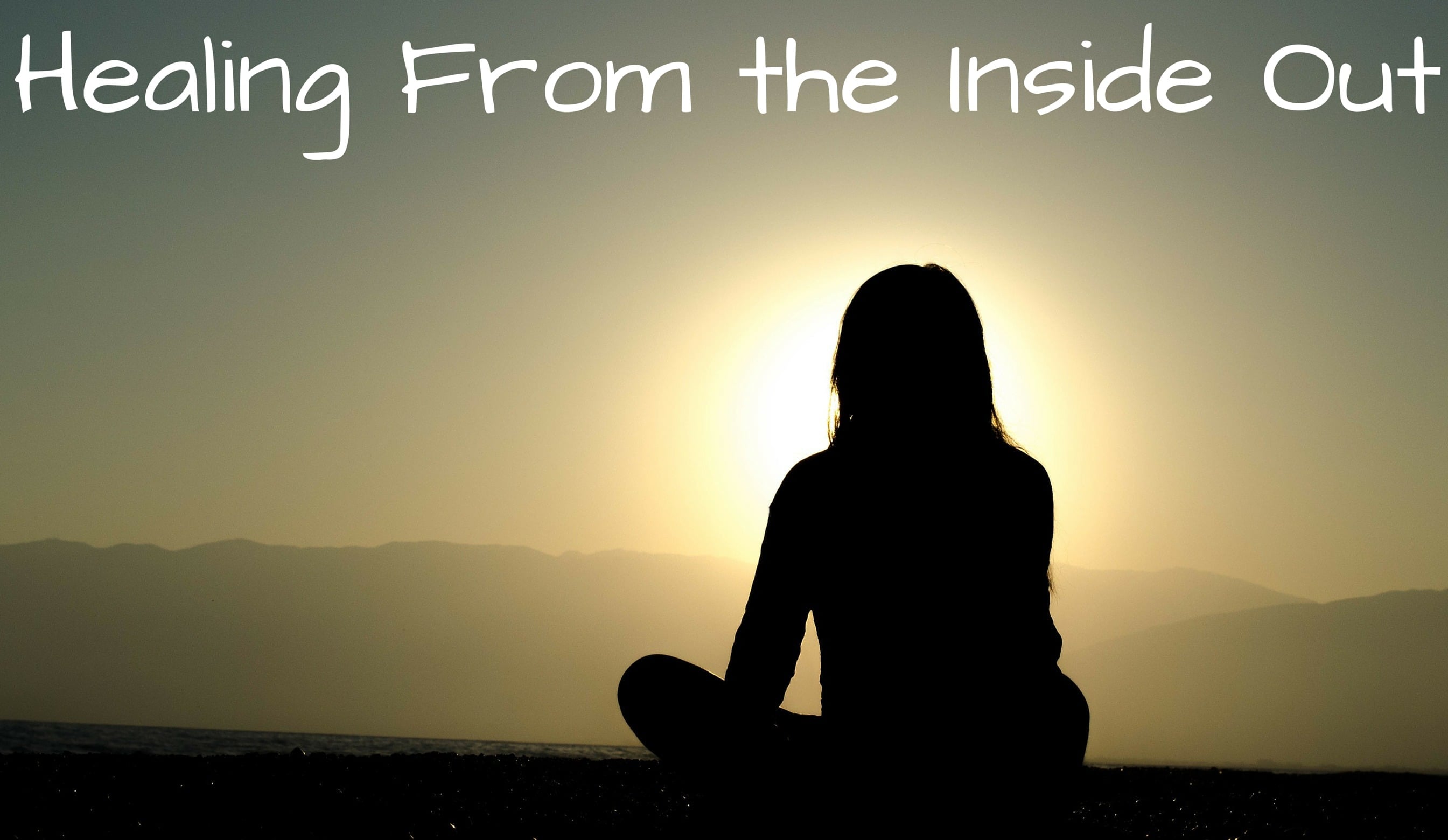 Recovery is most effective when it addresses the whole person. Addiction and mental health challenges often affect every part of a person’s life, leaving physical, emotional, and mental imbalances that require thoughtful care. Inside-out healing is about creating alignment across these areas, developing practices that restore balance, and supporting individuals in achieving long-term wellbeing. By integrating mental, emotional, and physical wellness, recovery becomes not just a goal but a sustainable lifestyle.