
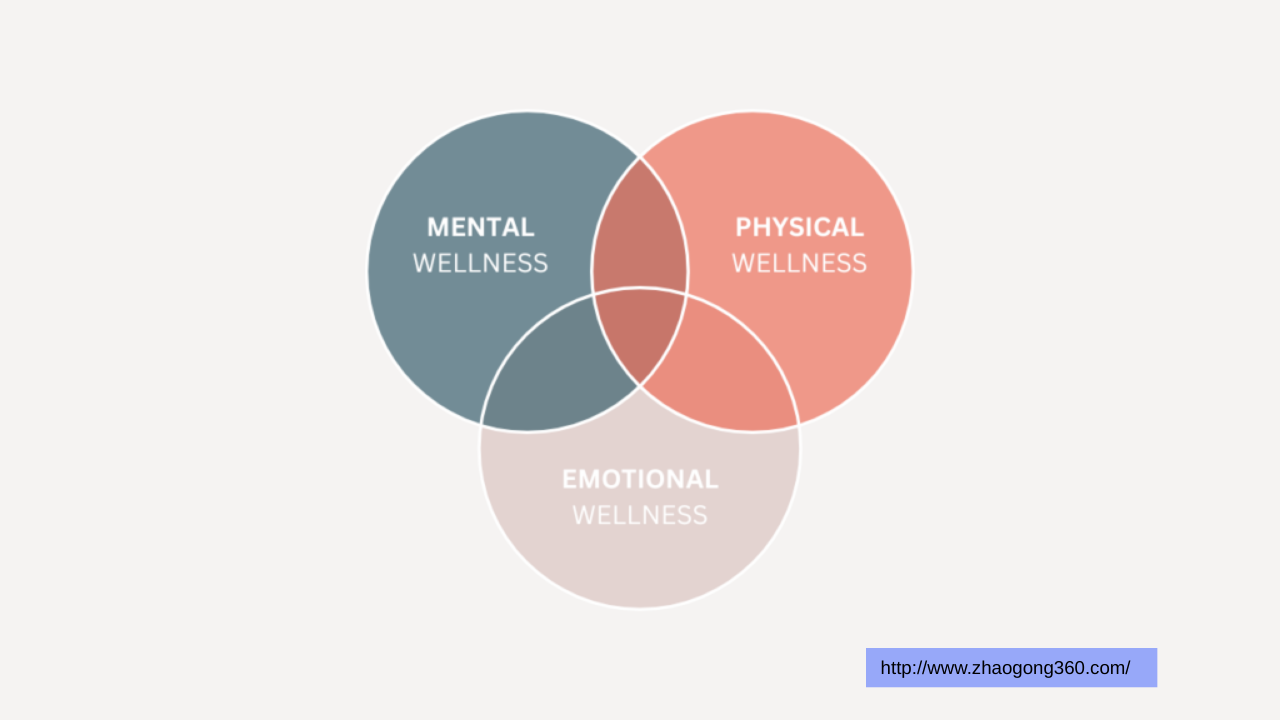
Harmony Within: How to Align Mental, Physical, and Emotional Health

Finding true health is not only about treating symptoms or building physical strength. It is about achieving harmony between the mind, body, and emotions. For individuals on the path of addiction recovery or seeking mental health support, this alignment is essential. Recovery is not just about overcoming dependency, but about rebuilding life with balance, purpose, and resilience.

Why Alignment Matters in Recovery

Addiction and mental health challenges often disrupt every area of life. The body may feel exhausted, the mind clouded with worry or cravings, and emotions may swing from despair to frustration. Healing one area without addressing the others often leaves people feeling incomplete. True recovery requires a comprehensive approach that supports the whole person.

When mental, physical, and emotional health are aligned, individuals gain the stability and strength needed to move forward. They can think more clearly, manage stress more effectively, and experience deeper connections with themselves and others.

Supporting Mental Health with Evidence-Based Care

Mental health is the cornerstone of recovery. Evidence-based therapies such as cognitive behavioral therapy (CBT), group counseling, and trauma-informed care give individuals the tools to reframe negative thinking and build healthier coping strategies. Consistent therapy also addresses underlying conditions like anxiety, depression, or PTSD, which often accompany addiction.

Professional support in both inpatient and outpatient settings allows individuals to develop resilience and mental clarity. A treatment plan tailored to each person ensures that their mental wellbeing is prioritized throughout recovery.

Restoring the Body Through Healthy Habits

The physical toll of addiction can be profound, but the body is remarkably resilient. With proper care, nutrition, rest, and movement, physical health can be restored. Medical supervision during detox ensures safety and comfort, while ongoing wellness practices like exercise, balanced meals, and sleep hygiene strengthen the body long-term.

Physical recovery is not just about eliminating substances. It is about building vitality and giving the body the resources it needs to support emotional stability and mental focus.

Emotional Healing and the Power of Connection

Emotional wellbeing is often overlooked, yet it is critical in recovery. Many individuals struggle with guilt, shame, or unresolved trauma. Through counseling, group therapy, and holistic practices, these emotions can be acknowledged and processed in a safe environment.

Developing emotional awareness allows people to build healthier relationships and reconnect with loved ones. Faith-based support can also offer a sense of hope and belonging, giving individuals a foundation for emotional stability.

Holistic and Faith-Based Practices for Balance

Recovery is most effective when science and holistic care work together. Practices like mindfulness meditation, art therapy, spiritual counseling, and community support groups help individuals find inner peace and strength. These approaches nurture the spirit and provide meaning, which is essential for long-term recovery.

Holistic healing empowers individuals to rediscover who they are beyond addiction and to live in alignment with their values.

Taking the First Step Toward Harmony

Achieving harmony within the mind, body, and emotions is not a distant dream. With the right support, it becomes a daily reality. Addiction recovery and mental health treatment built on evidence-based care, holistic healing, and individualized planning make true balance possible.

If you or someone you love is struggling, now is the time to seek help. With compassionate guidance and comprehensive care, you can begin the journey toward lasting wellness and harmony within.
Complete Health Isn’t a Myth: Science-Backed Paths to Whole-Body Wellness

For many who struggle with addiction or mental health challenges, the idea of feeling truly whole again can seem out of reach. Years of physical strain, emotional turmoil, and spiritual disconnection often take their toll. But the truth is, complete health is not a myth. With the right combination of medical science, compassionate care, and personalized support, healing is possible for both the body and the mind.
Understanding Whole-Body Wellness in Recovery

Whole-body wellness means addressing every dimension of health: physical, emotional, mental, and spiritual. In the context of addiction recovery, this approach goes beyond simply stopping substance use. It focuses on restoring balance, building resilience, and giving individuals the tools to create a healthy, meaningful life.

Recovery programs that embrace whole-body wellness recognize that addiction affects every system in the body and every part of a person’s life. This is why successful treatment plans combine evidence-based therapies with holistic practices to address the root causes of addiction and promote long-term healing.

The Role of Science in Addiction and Mental Health Treatment

Science plays a critical role in recovery. Evidence-based approaches such as cognitive behavioral therapy (CBT), medication-assisted treatment (MAT), and trauma-informed care have been proven to help individuals manage withdrawal, reduce cravings, and address co-occurring mental health conditions. These therapies are grounded in research and tailored to meet each person’s unique needs.

In addition to therapy, medical supervision during detox ensures safety and comfort during the early stages of recovery. Ongoing mental health support helps address depression, anxiety, or PTSD, which often accompany addiction.

Integrating Holistic and Faith-Based Healing

While science provides the structure, holistic and faith-based practices bring depth and meaning to the recovery process. Holistic care may include nutrition counseling, mindfulness training, exercise programs, and art or music therapy. These practices help individuals reconnect with their bodies, reduce stress, and develop healthy coping skills.

For those who value spirituality, faith-based recovery offers a powerful source of hope and purpose. Spiritual counseling, prayer, and community support can strengthen resilience and provide a sense of belonging during challenging times.

Inpatient and Outpatient Care Options

Every recovery journey is different. Some individuals benefit from the structure and 24/7 support of inpatient care, where they can fully focus on healing without external distractions. Others may choose outpatient programs, which allow them to maintain work, school, or family responsibilities while receiving consistent treatment and counseling.

An individualized approach ensures that treatment fits the person, not the other way around. By working closely with a care team, clients can create a plan that supports both short-term recovery and long-term wellness.

Taking the First Step Toward Complete Health

Complete health is not about perfection. It is about progress, healing, and regaining control over your life. Whether you are seeking help for yourself or a loved one, know that recovery is possible with the right combination of science, compassion, and personalized care.

If you or someone you know is ready to begin the journey toward whole-body wellness, reach out to a trusted treatment center today. The path may not be easy, but with the right support, it leads to a life of health, purpose, and renewed hope.

Unlocking Your Full Potential Through Integrated Health Practices

In today’s fast-paced world, many people focus on individual aspects of their health—perhaps hitting the gym regularly, eating a balanced diet, or occasionally meditating. But true transformation and peak performance come not from isolated actions, but from an integrated approach to health. Integrated health practices recognize that the mind, body, and spirit are interconnected, and nurturing all three is key to unlocking your full potential.

What Is Integrated Health?

Integrated health is a holistic approach that combines physical health, mental clarity, emotional balance, and spiritual connection. It involves harmonizing different aspects of your life to promote overall wellbeing, rather than treating symptoms in isolation. By focusing on the whole person instead of individual parts, integrated health helps you build resilience, perform at your best, and live with purpose.

Physical Vitality as the Foundation

Your body is your engine. Without physical health, it’s hard to function in any area of life. But integrated health goes beyond fitness routines and diet trends. It emphasizes balanced, sustainable habits—like eating whole foods, getting regular movement (not just intense workouts), prioritizing sleep, and managing chronic stress. Regular check-ups and preventative care are also crucial.

Physical wellness supports everything else. When your body is energized and well-nourished, you think more clearly, feel more confident, and can engage more fully with the world around you.

Mental and Emotional Resilience

Mental and emotional health are often overlooked until there’s a crisis. Yet, they’re central to reaching your full potential. Your thoughts, mindset, and emotional responses shape how you handle challenges and make decisions. Practices such as mindfulness, therapy, journaling, or cognitive behavioral techniques help reduce anxiety, build focus, and improve emotional regulation.

An integrated health approach encourages ongoing self-reflection and emotional awareness. It’s about understanding your patterns, healing from past experiences, and cultivating a mindset that supports growth and self-compassion.

Spiritual Alignment and Purpose

Spiritual health isn’t always about religion—it’s about connecting with a deeper sense of purpose and aligning your actions with your core values. This might come from meditation, time in nature, creative expression, or acts of service. When you feel spiritually aligned, you’re more grounded, more fulfilled, and more resilient in the face of adversity.

Unlocking your full potential requires this inner anchor. It helps you make choices not just for short-term gains, but for long-term meaning and impact.

Bringing It All Together

Integrated health practices are not about perfection—they’re about creating synergy. When your physical habits support your mental clarity, and your mindset aligns with your values and purpose, every part of your life improves. You gain more energy, think more clearly, handle stress with greater ease, and move through life with confidence and direction.

Unlocking your full potential doesn’t happen overnight, but with consistent, integrated effort, it becomes a natural byproduct of how you live. Start small, stay consistent, and remember: real health is not about fixing one thing—it’s about connecting everything.

Beyond Fitness: The Overlooked Pillars of True Wellbeing

When most people think of health, they often imagine toned muscles, gym workouts, or strict diets. While fitness is an important part of health, true wellbeing goes far beyond physical appearance or athletic performance. Achieving a state of complete wellness involves nurturing several key areas of life that are often overlooked in the typical fitness-focused approach.
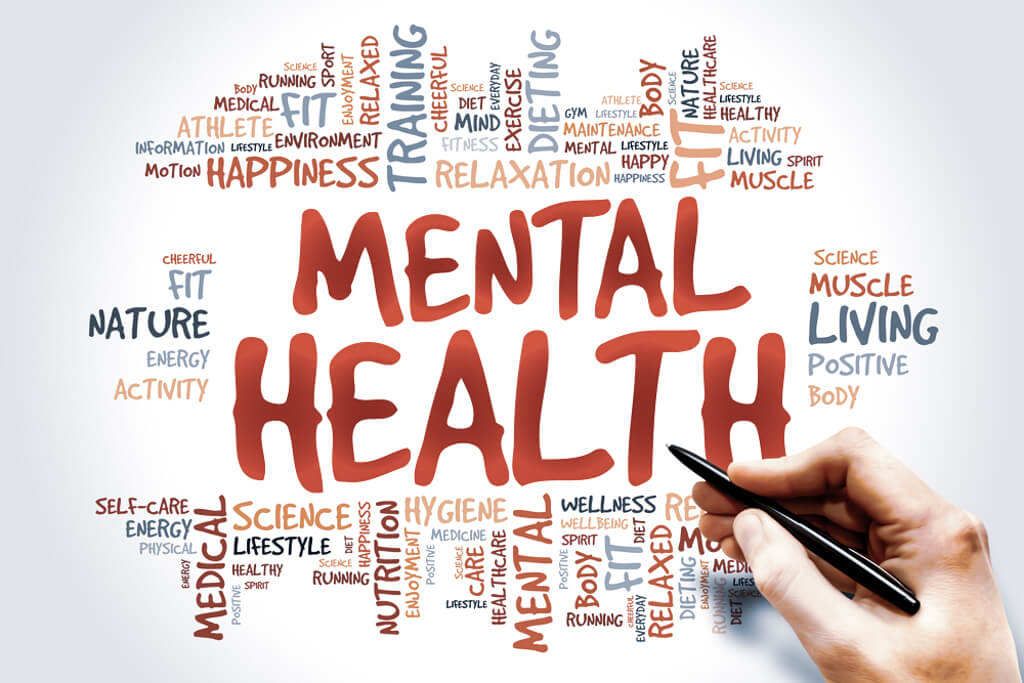


Emotional Wellbeing: Understanding and Managing Feelings

One of the most neglected pillars of health is emotional wellbeing. It’s not enough to have a strong body if your mind is weighed down by stress, anxiety, or unresolved emotions. Emotional health means recognizing your feelings, processing them in healthy ways, and learning how to manage stress. Practices like mindfulness, journaling, therapy, or simply talking with trusted friends can help improve emotional resilience. Regular emotional check-ins allow you to stay aware of how you’re feeling, helping to prevent burnout and emotional exhaustion.

Social Connection: Building Meaningful Relationships

Humans are social beings, and connection plays a crucial role in overall health. Studies show that loneliness and social isolation can increase the risk of chronic diseases and even shorten life expectancy. True wellbeing involves cultivating meaningful relationships—whether with family, friends, or community groups. Healthy social connections provide support, reduce stress, and foster a sense of belonging. Making time for shared meals, deep conversations, or group activities is just as important as hitting the gym.

Mental Growth: Lifelong Learning and Curiosity

Mental stimulation is another overlooked pillar of health. The brain, like any other part of the body, needs regular exercise to stay sharp. Lifelong learning keeps the mind flexible and engaged. Reading, learning a new skill, solving puzzles, or taking up a hobby not only keeps the brain healthy but also enriches life with new perspectives and experiences. Staying curious and mentally active is essential for long-term wellbeing.

Purpose and Meaning: Living with Intention

Wellbeing isn’t just about how you look or feel physically; it’s also about living a life with purpose. Having a sense of meaning motivates you, guides your choices, and brings fulfillment. This might involve pursuing a career that aligns with your values, contributing to your community, or engaging in creative expression. Reflecting on your personal “why” gives life direction and can be a powerful source of inner strength during tough times.

Spiritual Health: Nurturing the Inner Self

Spiritual health is often the most overlooked aspect of wellbeing. It’s not necessarily about religion—it’s about connecting with something greater than yourself and cultivating inner peace. Practices like meditation, prayer, time in nature, or acts of kindness can help nourish the spirit. Spiritual health fosters gratitude, compassion, and resilience, helping you navigate life’s challenges with grace.

Conclusion

True wellbeing is multi-dimensional. It’s about more than just fitness; it involves emotional balance, social connection, mental growth, a sense of purpose, and spiritual peace. By expanding your definition of health, you can create a life that’s not only physically strong but also deeply fulfilling and resilient in every way.

Ask ChatGPT

From Surviving to Thriving: A Holistic Guide to Complete Health

For many, daily life feels like a constant cycle of stress, exhaustion, and routine. The goal becomes simply “getting through the day,” rather than living with intention and vitality. But health isn’t just about the absence of illness—it’s about flourishing. Thriving means feeling energized, balanced, and fulfilled in every area of life. To move from merely surviving to truly thriving, we must embrace a holistic approach to health—one that nurtures the body, mind, and spirit.

Physical Health: Fueling the Body to Function and Flourish

A thriving life starts with a healthy body. Proper nutrition, regular movement, quality sleep, and hydration are the cornerstones. Instead of restrictive dieting or extreme fitness trends, focus on sustainable habits. Choose whole, nutrient-dense foods that nourish your system—fresh vegetables, lean proteins, whole grains, and healthy fats. These not only boost energy but also support immune health and mental clarity.

Regular exercise, even in the form of a 30-minute walk, helps regulate mood, improves sleep, and strengthens the heart. Sleep, often underestimated, is vital to repair and rejuvenate. Aim for 7-9 hours per night, and establish a calming bedtime routine to support deeper rest. Staying hydrated throughout the day enhances digestion, concentration, and energy levels. When the body is well cared for, it becomes the foundation upon which all other aspects of wellness can grow.

Mental and Emotional Health: Cultivating Resilience and Joy

Mental health is just as important as physical health. Chronic stress, anxiety, and emotional fatigue can erode wellbeing, even if you appear physically healthy. Mindfulness practices such as meditation, journaling, or breathing exercises help center the mind and reduce overwhelm. Take time each day to unplug from technology and check in with your thoughts and feelings.

It’s also essential to manage emotional health—acknowledge your feelings without judgment and express them in healthy ways. Surround yourself with supportive people who uplift and inspire you. Don’t hesitate to seek professional help; therapy or counseling offers tools to manage stress and uncover deeper emotional patterns.

Spiritual Health: Finding Purpose and Inner Peace

Spiritual health gives life meaning. Whether it’s through religion, meditation, nature, or creative expression, connecting to something greater than yourself nurtures peace and purpose. Ask yourself: What values guide my life? What brings me true joy?

Practicing gratitude, volunteering, or simply spending quiet time in reflection can deepen your sense of purpose. Spiritual health helps you find strength during life’s challenges and keeps you aligned with what truly matters.

The Path to Thriving

Thriving isn’t about perfection; it’s about intentional living. It’s choosing foods that energize you, finding ways to move your body joyfully, managing stress with awareness, and aligning your actions with your values. Small, consistent steps—like daily stretching, mindful breathing, or an early bedtime—build a life rooted in wellbeing.

By caring for the body, nurturing the mind, and honoring the spirit, you create a life that feels whole, purposeful, and vibrant. The journey from surviving to thriving is within reach—and it begins with a single, mindful step.

Ask ChatGPT

The Blueprint for Total Wellness: Balancing Mind, Body, and Spirit

In a world that moves at breakneck speed, the pursuit of total wellness has become more than a luxury—it’s a necessity. True wellness is not just the absence of illness, but a dynamic state of harmony between the mind, body, and spirit. Achieving this balance is a deeply personal journey that involves intentional habits, mindfulness, and self-awareness. The blueprint for total wellness lies in nurturing all aspects of our being with equal care and consistency.

Mind: Cultivating Mental Clarity and Emotional Resilience

Mental wellness is the foundation for how we perceive and engage with the world. Stress, anxiety, and burnout have become common experiences, but they are not inevitable. To foster mental clarity and emotional resilience, daily practices such as mindfulness meditation, journaling, and digital detoxes can be transformative. Setting boundaries, engaging in meaningful conversations, and seeking professional help when needed are also vital for mental health.

Cognitive stimulation through reading, learning new skills, or solving puzzles keeps the brain sharp and adaptable. Equally important is emotional hygiene—processing emotions in a healthy way, rather than suppressing them. Mental wellness isn’t about being perpetually positive; it’s about developing the tools to navigate life’s challenges with awareness and balance.

Body: Fueling and Moving with Purpose

The body is our vessel, and its health directly influences how we think, feel, and perform. Physical wellness begins with nutrition—eating whole, nutrient-rich foods that support energy, immunity, and cellular function. Hydration, adequate sleep, and routine medical checkups form the foundation for physical vitality.

Movement is equally crucial. Whether it’s walking, yoga, strength training, or dancing, regular physical activity boosts mood, improves cardiovascular health, and enhances brain function. Consistency is key—wellness isn’t about extreme diets or intense workouts, but about creating sustainable habits that nourish and energize the body over time.

Spirit: Connecting to Purpose and Inner Peace

Spiritual wellness doesn’t necessarily mean religion—it’s about connecting to something greater than oneself, finding purpose, and cultivating inner peace. This can be achieved through practices like meditation, spending time in nature, prayer, or creative expression. Developing a spiritual practice encourages introspection, gratitude, and compassion, helping individuals live in alignment with their values and higher purpose.

A strong sense of spiritual wellbeing also fosters resilience in the face of adversity. It anchors us during difficult times and helps us find meaning beyond material success.

Bringing It All Together

Total wellness requires a conscious effort to nurture mind, body, and spirit. These aspects are interconnected—neglecting one can throw the others off balance. Creating daily rituals that touch each area—like a morning stretch, a midday meditation, and an evening gratitude journal—can help maintain this equilibrium.

Ultimately, the blueprint for total wellness isn’t a rigid formula—it’s a flexible, evolving guide tailored to your unique needs. By tuning in, staying consistent, and embracing the journey, you can build a life of vibrant health and lasting wellbeing.

The Belief in True Health and Wellbeing

Health and wellbeing are integral components of a person’s life. Not just physical but mental and emotional health play an important role in achieving a balanced and fulfilling life, as well as being resilient to life’s struggles. In understanding that both health and wellbeing are connected it leads to one belief that is often held by many: the belief in true health and wellbeing.

This belief encompasses the understanding that every person should strive for a holistic approach to their lives. This means adopting healthy lifestyle habits such as eating nutritious foods, exercising regularly, and getting enough rest. Making sure that one has a good balance of both physical and mental activities is an important part of this holistic approach. In addition, taking time to connect with people, others and ourselves, as well as engaging in activities which foster creativity and self-expression are also important aspects to consider.
In addition to lifestyle habits, the belief in true health and wellbeing also believes in considering environmental and emotional factors that can affect a person’s overall health and wellbeing. Examples of environmental factors include exposure to pollution, toxins, or other unhealthy substances. Emotional factors can include stress, negative self-talk, and other internal beliefs and patterns.


The belief in true health and wellbeing also acknowledges the power of the mind and the body to affect our overall wellbeing. It is believed that a person’s thoughts, beliefs, and behaviors can have a direct impact on their physical and mental health and wellbeing. As such, it is important to practice positive self-talk, mindfulness, and self-care. All of these are components of a holistic lifestyle that support true health and wellbeing.

In order to foster true health and wellbeing, it is important to maintain a healthy lifestyle, connectedness with self and others, and a positive mindset. This can be achieved by making conscious choices about diet and exercise, engaging in activities and pursuits that bring joy and fulfillment, and practicing self-care. Additionally, taking care of the environment, creating healthy relationships, and continuing to learn and grow can all benefit an individual’s mental and physical health.

The belief in true health and wellbeing is one that encourages individuals to take charge of their lives and to be mindful of their thoughts, emotions, and behaviors. It can be seen as a way to create sustainable health and wellbeing in every aspect of life. Ultimately, it is up to the individual to make meaningful lifestyle choices and create a personalized path towards a healthier, more balanced, sustainable and thriving life.

Eight Strategies for a Balanced Life

Good health and wellbeing are essential for overall physical, mental, and emotional health. For a balanced life, it is important to understand and take action to improve your physical, mental, and emotional health. There are eight strategies to consider for improving your overall health and wellbeing.

1. Exercise: Exercise is one of the key elements to maintaining physical health and emotional wellbeing. Exercise helps to increase energy, reduce stress, and improve overall quality of life. It is also important for weight management, strengthening bones and muscles, and improving endurance and physical strength.

2. Healthy Eating: Eating a balanced diet rich in fruits and vegetables, lean proteins, and complex carbohydrates is important to help support physical and mental health. Eating a variety of healthy foods can reduce the risk of health problems and help to provide the necessary fuel for a productive and energized day.

3. Adequate Sleep: Sleep is an essential component for health and wellbeing. Getting enough quality sleep on a regular basis can help improve energy, cognitive performance, and emotion regulation. Adults typically need seven to nine hours of sleep each night and developing a consistent sleep routine is essential for good health.

4. Stress Management: Stress is a natural part of life, and it is important to develop skills to successfully manage stress. Stress can have both physical and emotional consequences and effective stress management tools can help to reduce the negative effects of stress. Regularly engaging in stress-reducing activities such as meditation, yoga, deep breathing, or tai chi can aid in stress reduction.

5. Connecting with Others: Social networks and connections are important for mental health and emotional wellbeing. Building meaningful relationships with other people helps to build strong emotional connections and reduces feelings of loneliness and isolation. Taking time to nourish your relationships by spending quality time together is essential for overall well-being.

6. Mental Stimulation: Engaging in activities that stimulate mental processes can help increase cognitive performance and promote overall wellbeing. Regular mental stimulation can help to reduce the risk of cognitive decline in later life. Activities such as crossword puzzles, problem solving, reading, or learning a new language can all aid in mental stimulation and help to keep the brain active and alert.

7. Relaxation: Learning to relax and give yourself time for self-care is essential for overall wellbeing. Taking time out for yourself, away from work and obligations, can help to reduce stress and anxiety. Relaxation activities such as yoga, tai chi, mindfulness meditation, or deep breathing can help to promote mental and physical relaxation as well as foster a sense of peace.

8. Self-Care: Taking care of yourself is an essential component of overall wellness. Self-care can involve taking time to do something that makes you feel refreshed and rejuvenated. This can include activities such as going for a walk or engaging in a hobby that you enjoy. Self-care is also important for emotional wellbeing as engaging in things that bring you joy can boost your emotional state.

Taking steps to improve overall health and wellbeing can positively affect physical, mental, and emotional health. Utilizing these strategies can help to promote good health and wellbeing and foster a balanced lifestyle. Implementing these strategies for complete health and wellbeing can help to promote overall well-being and improve the quality of life.

Achieving Complete Health and Wellbeing

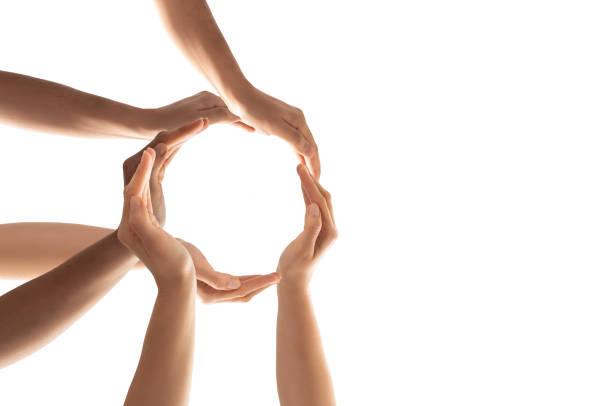
We all have different life stories, visions and aspirations but we share one common goal – to enjoy a healthy and fulfilled life. We strive to learn, grow and live in harmony with ourselves, with our families and our friends. To create an experience of complete health and wellbeing, we need a holistic approach that integrates physical, mental, and emotional wellbeing.

Having a well-rounded lifestyle requires attending to our physical, mental, and emotional wellbeing in tandem. First, let’s take a closer look at each of these elements.
Physical Wellbeing

Physical wellbeing provides the foundation for complete health and wellbeing. It’s imperative that we take care of our physical health by maintaining a balanced diet and exercising regularly. For physical activities, try to stay active and choose activities you enjoy, such as running, swimming, and other sports. Taking on a physical challenge can be both a rewarding and invigorating experience. Taking precautions with personal hygiene and establishing effective health care initiatives to ensure our physical health remains in good condition are also important components of physical wellbeing.

Mental Wellbeing

Mental wellbeing is about maintaining a positive outlook and an open and accepting attitude to life. It’s about actively engaging with the world around us, rather than being a passive bystander. Dedicate a few minutes each day to re-focusing on the positive things that have happened. Mindfulness techniques such as breathing exercises and meditation can also help us to gain a sense of calm, clarity and balance. When it comes to mental wellbeing, it’s important to take time to reflect and challenge ourselves to look at the world and our circumstances in a new way.

Emotional Wellbeing

Emotional wellbeing is about connecting and engaging authentically with our emotions. It’s about creating a safe and tolerant environment around us so that we can express ourselves without fear of judgement. Being compassionate and kind to ourselves and others is a crucial element to emotional wellbeing. It also means being willing to listen and to accept the emotions that others may be feeling. Remember that it’s ok to feel upset; all feelings are valid.

Getting Started

As you can see, physical, mental and emotional wellbeing all have their own distinct roles in achieving complete health and wellness. If you’re ready to take your first steps towards a healthy, happy and fulfilling lifestyle, keep in mind the following considerations:

• Make time for yourself: Find activities that you truly enjoy and make sure to take some ‘me’ time.

• Exercise or engage in physical activities: Exercise boosts mental and physical health, releases endorphins and helps us to manage stress.

• Take time to appreciate the little things: Appreciating the here and now can lead to a more fulfilling and content life.

• Gently challenge yourself: Take small steps and give yourself time to grow and evolve.

• Establish effective communication: Learning to listen and share our stories and emotions with others helps us to build meaningful connections.

• Learn to forgive: Holding on to grudges and resentments can only lead to negative energy.

Reaching our goals of complete health and wellbeing can be an intimidating prospect. But by taking small steps and attending to our physical, mental and emotional health, we can create an environment that is conducive to our growth and development. You are worth the effort it takes to give yourself a more meaningful and satisfying lifestyle.

A New and Comprehensive Approach to Wellness

Living a healthy lifestyle can be a challenge in today’s fast-paced and often stressful world. With career pressures, juggling family life, and more, it can be hard to stay focused on maintaining your own well-being. Even when we do make time for ourselves, many of us are only focused on physical health—eating right, exercising, and taking vitamins. But, for true holistic health, it’s important to take a wider perspective, considering all aspects of the individual—including physical, mental, and spiritual—giving attention to all of these spheres achieves 360 degrees of health.

What is 360 Degree Health?

360 degree health refers to the concept of an integrated, holistic approach to one’s own wellbeing. Rather than solely focusing on physical health, a 360 approach views our wellbeing as a whole, with both physical and psychological health needing to be tended to in order to achieve a balanced, stress-free lifestyle.

By emphasizing 360 degree health, one can come to view wellbeing as a circle, with the individual at the center. Each area of life that impacts health is represented as a segment, and considered equally important when prioritizing personal wellness.

The Different Areas of the 360 Degree Health Framework

When it comes to the 360 degree health approach, there are usually 7 to 8 specific segments that can be viewed as spokes on the wheel.

Physical Health

The physical health spoke of the wheel refers to our body. To achieve overall physical health, it’s important to get regular exercise, eat healthy, hydrate regularly, and get enough sleep.

Mental Health

Mental health is about knowledge, personal growth, and understanding our core purpose. It involves paying attention to the internal dialogue we have with ourselves, and understanding our thoughts and emotions.

Emotion Health

Where mental health is about understanding, emotion health is about expressing. This spoke centers around energy, and involves recognizing our emotions and expressing them in healthy ways.

Spiritual Health

Spiritual health is often seen as an area of personal growth or reflection. It revolves around understanding one’s place in the world, and having a set of meaningful beliefs.

Occupational Health

Occupational health involves finding a healthy balance between our work and home lives, and staying focused on what matters to us.

Intellectual Health

Intellectual Health revolves around staying curious and being comfortable with things that might not make sense right away. It involves challenging ourselves to explore unfamiliar topics and think outside of the box.

Relationship Health

The relationship health spoke of the wheel centers on our interactions—not just with others, but also within ourselves. It involves understanding how relationships form, and fostering a positive sense of self-love and self-worth.

Social Health

The social health spoke of the wheel involves staying connected with the outside world. This means going out and participating in activities you enjoy, and expanding the circle of people you associate with.

Applying the 360 Degree Health Model to Everyday Life

When it comes to incorporating the 360 degree health model into our daily lives, we should be mindful of each area of wellness as we go about our day. This means asking ourselves questions about each spoke of the wheel:

Physical Health: Do I have a balanced diet and get regular exercise?

Mental Health: Am I challenging my beliefs and growing as a person?

Emotional Health: Am I recognizing and expressing my emotions in healthy ways?

Spiritual Health: Do I have a positive outlook and understanding of my place in the world?

Occupational Health: Am I prioritizing my career goals, and finding balance between work and leisure?

Intellectual Health: Am I being curious and pushing myself to try new things?

Relationship Health: Am I treating myself and others with respect and kindness?

Social Health: Am I making time for meaningful relationships?

When each of these areas are given proper attention, and we strive to stay aware of how they all interact, then we can often come to a better understanding of our overall wellbeing. This wide perspective can equip us with new habits and strategies for living a healthy life, and helping us to achieve a balanced, holistic focus on health. With a 360 degree view of health, we can strive to optimize both our physical and psychological well-being—ensuring that we can live our healthiest, happiest lives.